



Cold + Bold Canada™ - Sharon Murphy - About Poinsettias and the Euphorbia Family
With the Christmas season upon us, poinsettias bring a joyful and festive touch to many homes and public spaces, inspiring feelings of warmth and celebration.

About Poinsettias and the Euphorbia Family
With the Christmas season upon us, poinsettias bring a joyful and festive touch to many homes and public spaces, inspiring feelings of warmth and celebration.
This holiday favourite belongs to the larger Euphorbia family, which includes a variety of fascinating plant relatives.
Let's explore the unique characteristics of poinsettias and the Euphorbia (spurge) family to help you get into the holiday spirit.
The Distinctive Euphorbia Blossoms
Euphorbia are well-known for their unusual blooming habits. While their true flowers are quite small and understated, they attract pollinators by changing the colour of the leaves closest to the flowers, known as bracts, to draw their attention. Poinsettias sport the grandest display of this colourful leaf change.
Milky Sap: A Signature Trait
One key feature of all Euphorbia plants is their milky white, sticky latex sap, which makes the plants appear to bleed when the leaves or stems are broken. Although the sap is not highly toxic, it can irritate the skin unless you wear gloves when handling them. Accidental ingestion of the sap may cause gastrointestinal discomfort, leading to increased salivation, nausea or vomiting.
Historically, Euphorbia sap was used as an emetic to induce vomiting. This use is reflected in the common name for many Euphorbia – spurge - which is derived from the French word espurgier, meaning “to purge”.
Nonetheless, this plant’s overall toxicity rating is considered low, so you can feel more at ease about having them in your home and garden.
Garden Benefits of Euphorbia: Deterring Pests
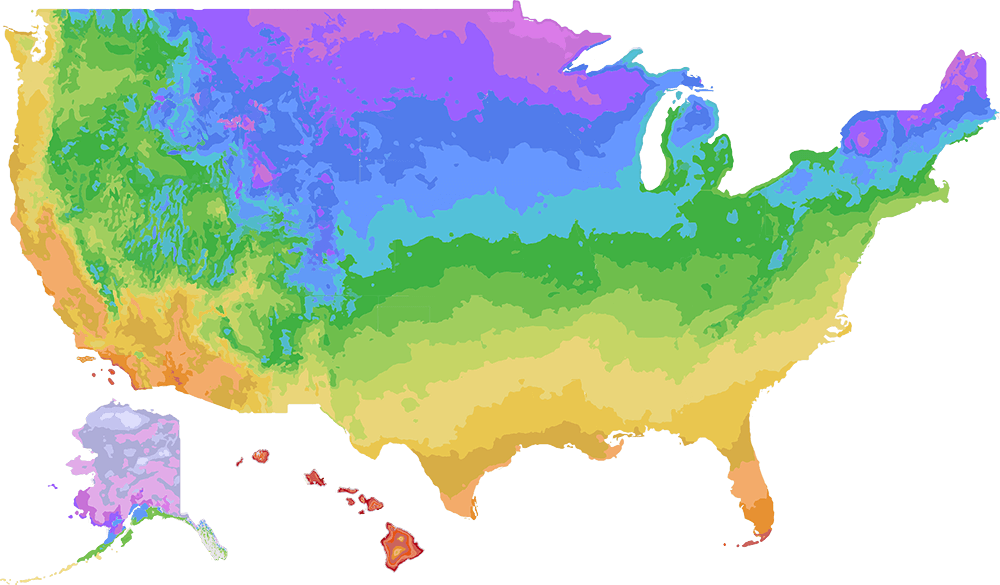
Euphorbia sap tastes horrible, which makes them unappealing to garden pests like deer, squirrels and rabbits. For Canadian gardeners that deal with deer in warmer zone 5 areas, this means that perennial varieties like 'Bonfire' and 'Ascot Rainbow' spurge can be planted with confidence. Annual varieties in the Diamond Euphorbia series also contain this milky sap, and are thus also not appealing to browsing mammals.
Cultural Preferences of Euphorbia
Most Euphorbia plants thrive in full sun to partial sun and need well-drained soil to grow and overwinter well. Many are drought tolerant because they can store water in their fleshy stems.
This resilience makes them suitable for a range of garden conditions, and it makes caring for annual varieties such as Diamond Frost®, Diamond Mountain®, and Diamond Snow® Euphorbia, prized for their airy, white flowers, a dream.
Selecting and Caring for Poinsettias
When choosing a poinsettia for your home, office or as a gift, select insect-free, well-hydrated plants with dark green, undamaged leaves and vibrant, colourful bracts. Those with tightly closed flower buds in the center of the bracts will last longer than those whose stamens are already showing.
To keep poinsettias looking their best throughout the holiday season, protect them from cold temperatures during transport, keep the soil evenly moist, and site them away from locations with excessive heat or cold, such as entryways or windowsills, exposed to drafts, or near heat registers and fireplaces.
Sending you all warm, cozy wishes for joyful celebrations during the holidays!