



5 Groundbreaking New Plants You Need This Year
Each spring, a flood of new options fills garden centers, but few are truly groundbreaking new plants. If you are looking for innovative landscape plants that offer more than just color, our latest selection features unique perennials 2025 collections designed for clinical reliability and high-impact style. These low-maintenance garden ideas—from the heat-thriving Art & Sol® 'Bad Hair Day' Mangave to the exceptionally floriferous Mega Millions® Black-Eyed Susan—ensure a stunning, resilient yard with minimal effort.
Each spring, a flood of new plants fills garden centers, tempting gardeners with their brilliant colors, unique foliage and fragrance. Though many offer appealing new features, few are truly groundbreaking. Let’s take a closer look at five of the most unique new plants you’ll see this year.
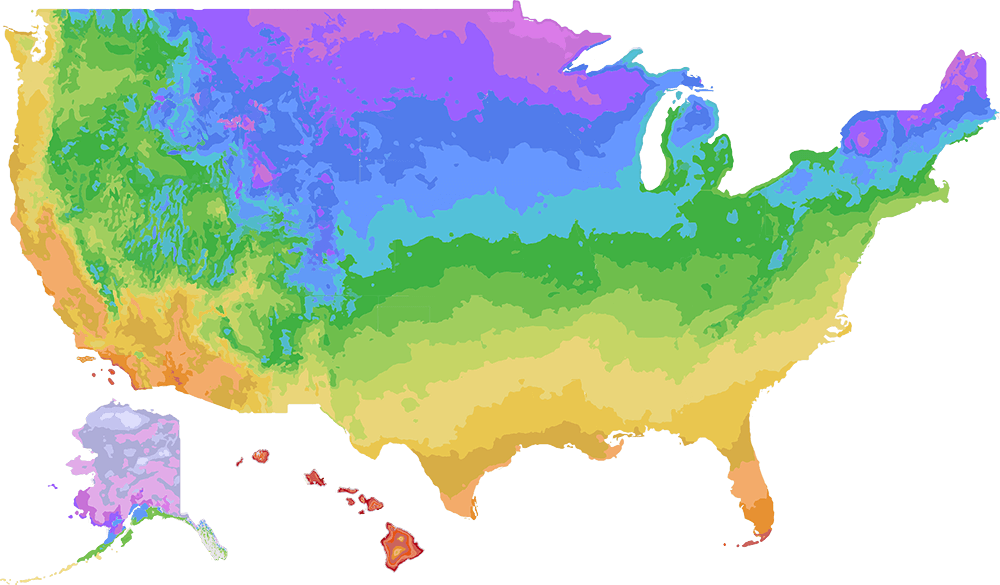
Because of its unique cascading shape, ‘Bad Hair Day’ mangave looks amazing in containers. | Art & Sol® 'Bad Hair Day' MangaveGuaranteed to be a conversation piece, this new succulent-like tropical plant is one of the newest and most unique members of the Art & Sol® collection of mangaves from Proven Winners. Its narrow, flat leaves arch downward to create a fun “mop” of soft, flexible leaves with blush red spotting. Mangaves combine the best traits of Agave and Manfreda, thriving in heat, humidity and drought. Because they can also handle regular watering, they mix well with other plants in containers and landscapes in full sun. Though mangaves are not hardy perennials in most climates, ‘Bad Hair Day’ is one of the most cold tolerant varieties, surviving winters outdoors in zones 7b-11. Elsewhere, they can be brought inside for winter and grown as a houseplant. |

Exceptionally large flowers blanket Mojave® Mango purslane all season. | Mojave® Mango purslanePurslanes, also known as moss roses or Portulaca, have been around for decades. However, the exceptionally large flower size and sweet mango orange color of this new variety make it a real standout in sunny landscapes and containers. Blooms that nearly rival petunias in size bear a bright red bullseye center to help pollinating bees and butterflies find their way. Six vibrant colors comprise the Mojave® series of low-growing, groundcover-like annuals that bloom non-stop from planting time until frost. Little fertilizer or water is needed for them to thrive, and they are generally unbothered by pests or disease. If you’ve gotten away from growing annuals because they are too much maintenance, the new Mojave® Mango portulaca and its series companions are worth a look. |

Kintzley’s Ghost® honeysuckle is one of the most unique and popular new vines this year. | Kintzley's Ghost® grape honeysuckle vine“What IS that?” That’s the most common question we receive about this unique vine that looks like tropical eucalyptus but is actually a cultivar of a zone 4 hardy North American native species. Though Kintzley’s Ghost® is new to Proven Winners this year, it isn’t brand new. In fact, it was originally found in the 1880s by William Kintzley at Iowa State University. He propagated it, grew it in his own garden, and shared cuttings with a few family members but never formerly introduced it into the trade. It was thought to be lost for many years, but was eventually rediscovered growing in the garden of a distant relative of Kintzley’s in Fort Collins, Colorado. The Plant Select organization got it up and going again, and now Proven Winners is helping to get this deserving plant into the hands of many more people. This non-invasive selection of native honeysuckle looks like a typical green honeysuckle in the spring, but as the season progresses, it develops silvery blue, saucer-shaped bracts that resemble eucalyptus. Tiny, tubular, yellow flowers that attract hummingbirds and pollinators appear in the center of each bract in the summertime. They turn into red berries which birds love to feast on, but the ones they miss will not reseed into the landscape. Kintzley’s Ghost honeysuckle is a fast-growing, substantial vine that requires a strong support on which to climb by means of twining stems. It is drought tolerant and deer resistant. Expect it to grow 6 to 12 feet tall in full sun to part sun where it is hardy in zones 4-8. |

Summerific® ‘Cookies and Cream’ is a one-of-a-kind rose mallow that looks tropical but is cold hardy all the way down to zone 4. | Summerific® 'Cookies and Cream' rose mallowOver a decade of breeding has resulted in the newest member of the Summerific® Hibiscus collection. A “black and white” rose mallow has long been considered the holy grail of plant breeders, since nearly all white-flowered perennial hibiscus bear a red eye. Shining in contrasts of pure sparkling white flowers and near-black, matte textured foliage, Summerific® ‘Cookies and Cream’ rose mallow makes a striking garden specimen. From midsummer into early fall, the 6 to 7 inch diameter blooms dot the canopy of this densely branched cultivar. Like all varieties in the Summerific collection, it produces flowers at several nodes up the stems, not just at the tips, which helps to keep this perennial in bloom for months instead of weeks like old hibiscus varieties. As one of the shortest, most densely branched varieties in the series, it grows 2 ½ to 3 feet tall and 3 ½ to 4 feet wide. For the best color and bloom, grow this rose mallow in full sun, meaning anything from all-day sun to a minimum of 6 to 8 hours of direct sun per day. It needs moist soil, so be sure to plant it where the hose or sprinkler reaches. Though they look tropical, Summerific hibiscus varieties are hardy perennials in zones 4-9. |

Though it looks similar to ‘Goldsturm’ at first glance, the new Mega Millions® Rudbeckia is far more floriferous and disease resistant. | Mega Millions® black-eyed SusanBlack-eyed Susans have come a long way since the introduction of the classic ‘Goldsturm’ in 1937. Today’s cultivars make far better garden plants due to stronger disease resistance and less prolific seeding. What impresses us most with the showstopping new Mega Millions® Rudbeckia is its unbelievable flower power which commences in early summer. In trials, one three-year-old Mega Millions plant produced over 1,000 more flowers in a single year than a seven-year-old ‘Goldsturm’. That’s a whole lot more flowers for pollinators and bouquets! Though many newer black-eyed Susans have narrow leaves, Mega Millions retains the broad, rugose green leaf characteristics of ‘Goldsturm’, but with far greater disease resistance. You won’t need to worry about its leaves turning black and unsightly by midsummer; this perennial retains its good looks all season. It also stays where you plant it, so there won’t be nuisance seedlings popping up all over the garden. Expect Mega Millions black-eyed Susan to grow three feet tall and wide in part sun to full sun where it is a hardy perennial in zones 3-9. |

Want to dive deeper? Check out these resources:
- Explore: See all of our new plants for 2025.
- Read: An interview with Proven Winners Perennials breeder, Hans Hansen.
- Idea Board: 2025 Must-Have New Plants
Stay up to date with Proven Winners on Facebook, Instagram, Pinterest, YouTube and TikTok.
Patent Information: Art & Sol® 'Bad Hair Day' Mangave USPP30279; Mojave® Mango Portulaca oleracea USPPAF CanPBRAF; Summerific® 'Cookies and Cream' Hibiscus USPPAF CanPBRAF; Mega Millions® Rudbeckia fulgida USPPAF CanPBRAF
Contributor Bio: Susan Martin is an avid zone 6 gardener and content creator who enjoys spreading her passion for plants to others across North America.
All images courtesy of Proven Winners.