



Top Site Challenges Western Gardeners Must Manage
Gardening in the West.
TOP 5 Site Issues in the Western Garden
We can agree that all gardens need soil, light and water to thrive; that is where the similarities end. All gardens are different, and all gardens have site-specific issues to contend with. No two gardens are the same, and no two gardens have the same challenges. Managing site-specific matters is crucial for a successful garden. Let's explore five such challenges and some solutions that might help you along the way.
Humidity:
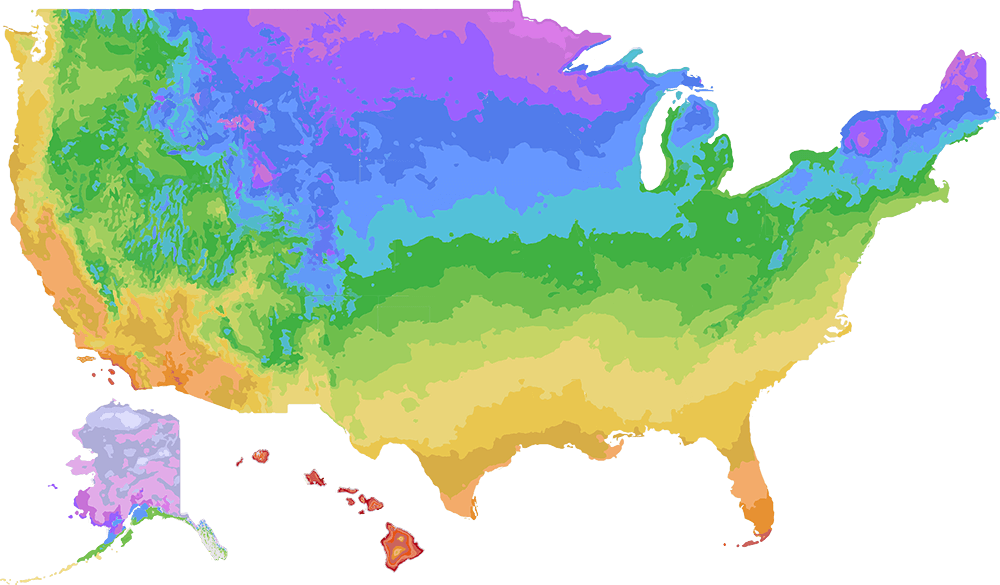
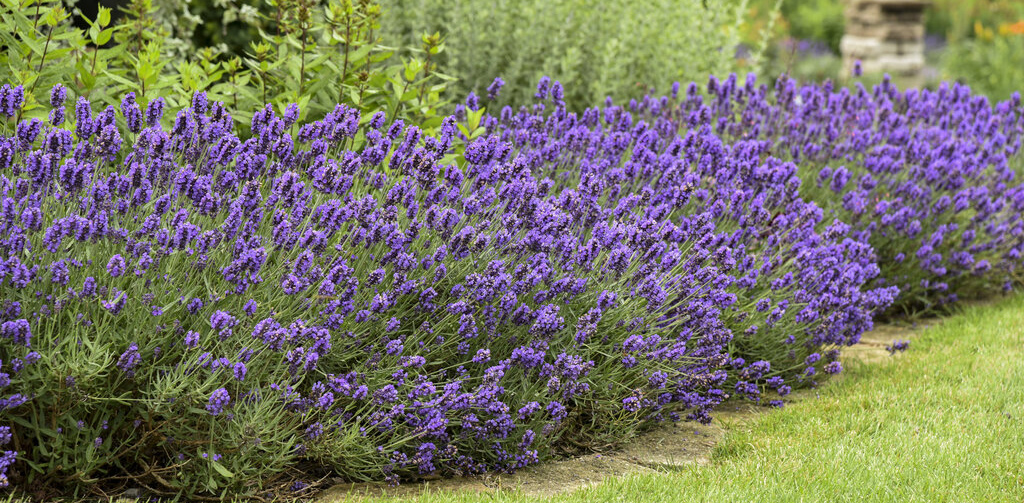
The level of humidity in your region significantly impacts your garden's success. Some plants thrive in high humidity, while others prefer arid conditions. Your plant selection should extend beyond USDA zone ratings to also include considerations of the moisture levels in your area. Consider the Pillow Talk Gardenia for humid environments, which will perform its best in high humidity. If you live in a drier climate, try Sweet Romance® Lavender
Lavandula angustifolia. Lavender is known for enjoying low humidity and dry soil.
Sun Strength:
Sun intensity can vary across regions and affect the light requirements of plants. The sun's strength increases as you get closer to the equator. This is important to us as gardeners to determine the right amount of light a plant needs. Even if the plant tag states, “full sun,” a plant in a very sunny garden in the Southwest might need some protection in the hot afternoons. Alternately, plants in northern gardens might need more sun than the tag indicates to thrive.
Drainage:
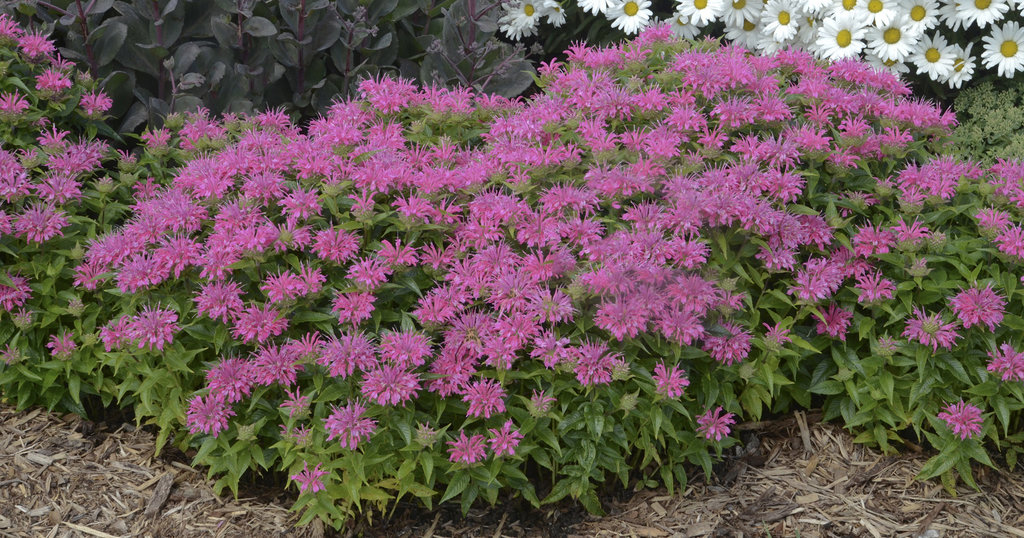
Standing water after 12 hours indicates poor drainage, which can be caused by factors like clay soil, compacted soil, or improper grading. To address poor drainage, amend the soil with organic matter and consider creating a rain garden with plants like 'Pardon My Pink' bee balm - Monarda didyma absorbs excess moisture, enhancing soil conditions.
Wind:
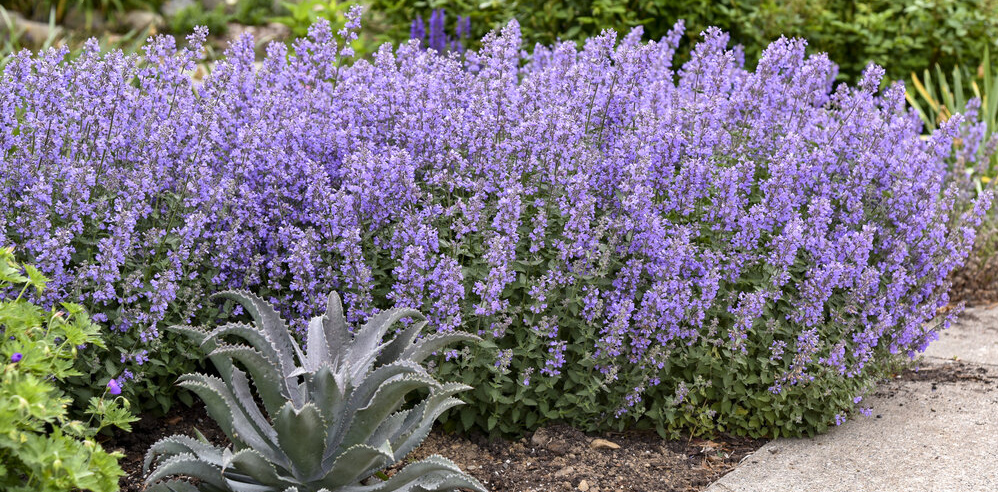
Wind can damage fragile foliage, break branches, and dry out plants. Choosing plants that can tolerate wind pressure, such as 'Cat's Meow' catmint - Nepeta faassenii, can help. Planting in an area of your garden that is protected by a structure such as a fence or house is a way to troubleshoot a wind problem, as is planting living windbreaks with tall hedges and trees.
Water Availability:
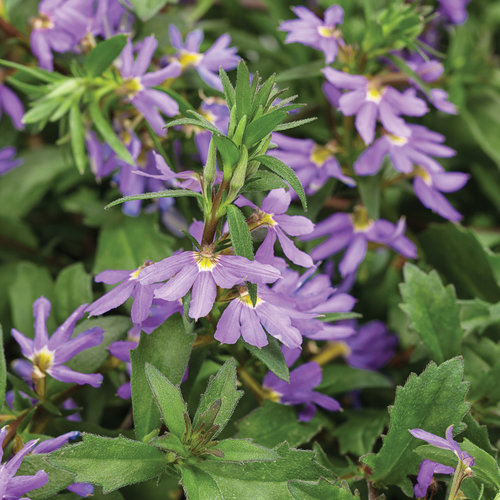
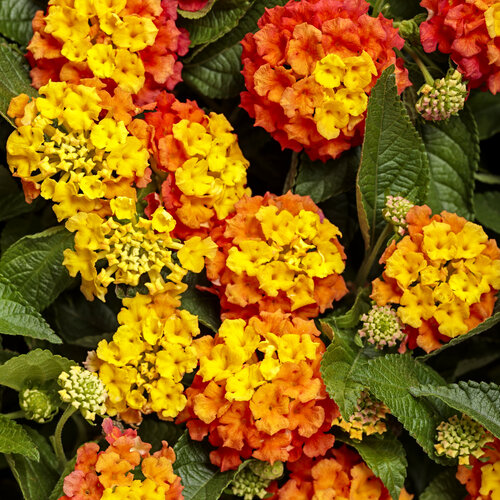
Increasingly common water-related challenges, such as droughts and watering restrictions can wreak havoc on a garden. Collecting rain with rain barrels connected to downspouts, using drip irrigation instead of overhead spray, and using proper mulching can help conserve water. Choose drought-tolerant plants like Whirlwind® blue fan flower - Scaevola aemula and the Luscious® Basket Tangeglow™ - Lantana camara to withstand more extended periods between watering.
In troubleshooting garden issues, it's essential to recognize the uniqueness of your space. Knowledge empowers you to overcome obstacles and challenges specific to your own space. Understanding and addressing these challenges can pave the way for a successful garden, no matter the issue.