




10 Container Gardening Mistakes to Avoid
It’s container gardening season! Whether you’re new to growing plants in pots or want to do a quick check to make sure you’re not making any simple container gardening mistakes, you’ll find something useful in this article. Let’s get started with practical container gardening tips.
Make container gardening easy with AquaPots Self-Watering Containers - Buy AQUAPOTS® Online

Container gardening is a fun way to enjoy your plants up close and liven up your balcony, deck or porch. While it’s pretty simple to learn how to grow plants in containers, there are a few things you’ll want to know before you get started. Let’s take a look at ten common container gardening mistakes people make when growing plants in containers so you can be sure to avoid them. Whether you are new to growing plants in containers or have been doing so for years, these container gardening tips will be useful.
One of the most important things to get right when growing plants in containers and learning how to grow plants in containers properly is making sure water can drain freely out the bottom of the pot. This ensures your plants don’t rot if they get too much water. Most containers come with a drainage hole in the bottom but if yours doesn’t, drill one yourself using a masonry, glass or tile bit. |
Small containers are great for little plants you keep indoors but aren’t as convenient to use outdoors. That’s because they dry out too quickly when the plants are exposed to sunshine and wind outside. It’s better to use larger containers whose diameter is 12” or greater - they hold more soil and won’t dry out so fast. This is especially true if you are using hanging baskets in a sunny, exposed location. If possible, transplant the small hanging basket you get from the garden center into a larger 14-16” hanging basket. |
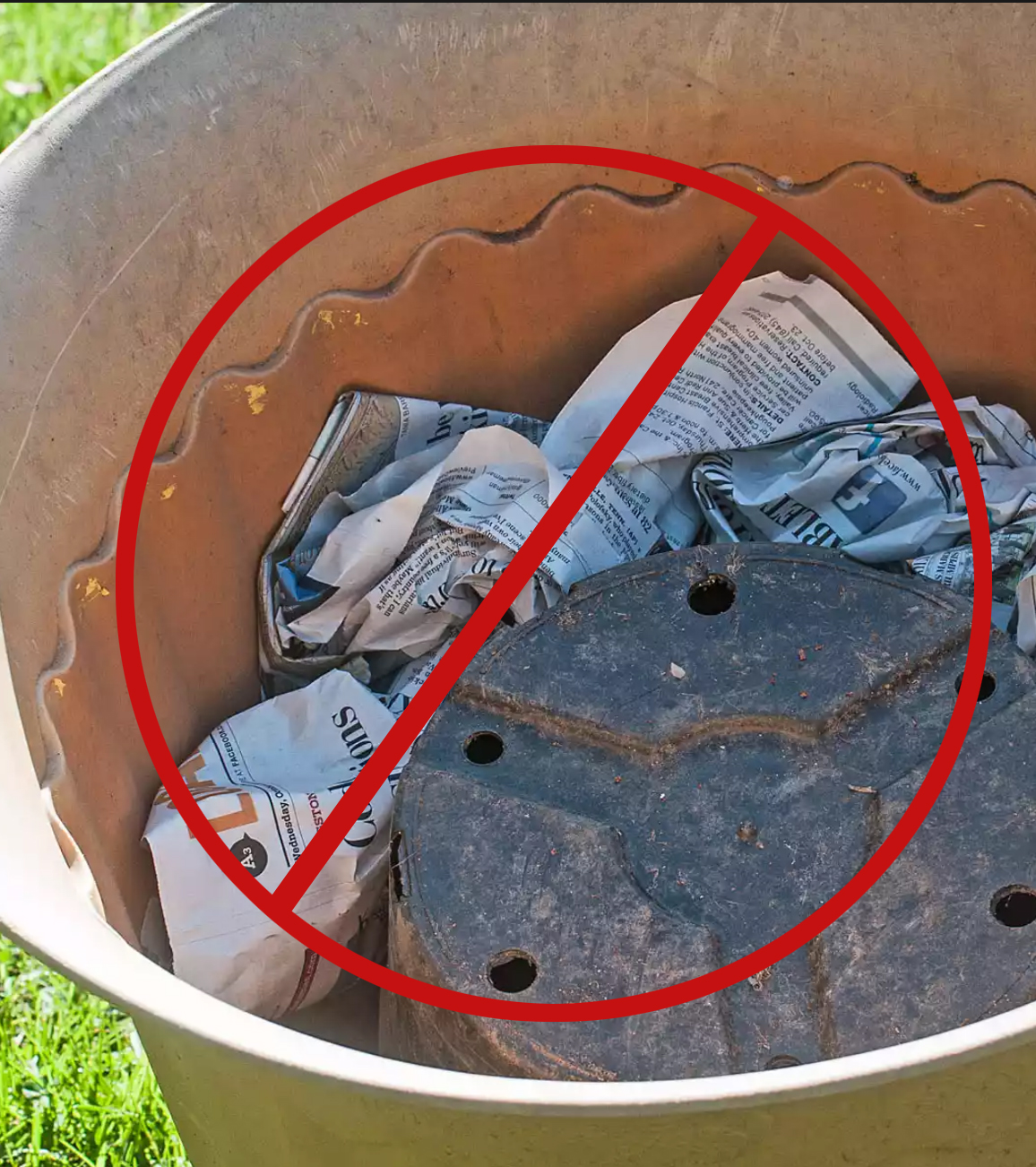
You can find all sorts of ideas online for things to fill the bottom of your large containers—we’ve seen suggestions for everything from old shoes to pot shards and rocks. None of it is good for your plants and can lead to unnecessary container gardening mistakes! Plants need soil to grow. Whether your container is 6 or 16” deep, it should be filled all the way with potting soil. Any filler material in the bottom of the container will inhibit drainage and cause water to pool in the bottom, eventually leading to rotting roots and very heavy pots. Good quality potting soil is lightweight and drains freely, which is exactly what your plants need to thrive. |
It can be confusing when you are shopping for soil when all the bags look alike, especially if you are new to container gardening. Look for those clearly marked “potting soil” on the front of the bag. The bag should be relatively lightweight compared to top soil. High quality potting soil doesn’t actually contain “soil” at all. Instead, it is a mix of organic materials like peat moss, perlite and bark which provide nutrients, good airflow and drainage for your containerized plants. |
Everything you grow in your container is going to receive the same amount of sunlight and moisture, so you’ll want to pair plants that enjoy similar growing conditions when pairing plants in containers. Start by selecting plants whose sunlight needs match the amount of sun you have to work with. For example, if your patio or balcony faces south and there is no shade for most of the day, make sure you choose all full sun plants. Read the labels carefully to match up plants that enjoy similar amounts of water, too.
Lantana and Evolvulus share a love of strong sunlight, heat and soil that |
This container gardening tip can be a little tricky, and it’s where experience will be your guide. Not all plants grow at the same rate, regardless of how healthy they are. Some seem to grow an inch a day while others are more restrained. Most annual flowers grow at an average rate, meaning they’ll grow all season without exceeding their allotted space. To make sure one plant won’t overtake the others in your container, choose varieties with similar growth rates. You could do this by pairing different colors of the same kind of plant—for example, planting three different colors of Superbells® calibrachoa in one container. Look for clues to the plant’s growth rate in its description. If it describes a “vigorous” plant that “grows quickly”, you’ll know it needs to be paired with other vigorous varieties that can keep up. Supertunia Vista® Bubblegum® II and Snow Princess® sweet alyssum make good container companions because they are both extra-vigorous growers and enjoy similar amounts of light and water. |
Remember when you water your plants to point the hose end right into the container. It’s better not to wet the plants’ flowers and foliage more than you have to since this wastes water and can eventually lead to foliar diseases. The top of the plant doesn’t need to get wet because the roots absorb the water - an important principle in how to grow plants in containers successfully. |
In the nursery business, we say that “watering is an artform.” By that we mean that it takes a little time to get to know your plants and how often they like to be watered. Factors like pot size, sun exposure and wind all influence how often your containers need to be watered. Larger pots on a sheltered, shaded deck won’t need to be watered nearly as often as hanging baskets swinging in the wind on a sunny porch. The general rule to know when it’s time to water most plants is to stick your finger down into the soil up to your first knuckle. If the soil feels dry, it’s time to water again. If you aren’t able to water your plants consistently or just don’t want to be tied to a schedule, consider investing in a WaterWise® drip irrigation system or in self-watering AquaPots® Lite planters that will do all the work for you. |
|
You learned in container gardening tip #6 that not all plants grow at the same rate. It’s possible that one or two of the plants you’ve chosen for your containers will be quite a bit more robust than its companions. If you let extra vigorous plants grow unchecked, they will overtake the others—one of the final container gardening mistakes to avoid.
|
 Using containers without a drainage hole.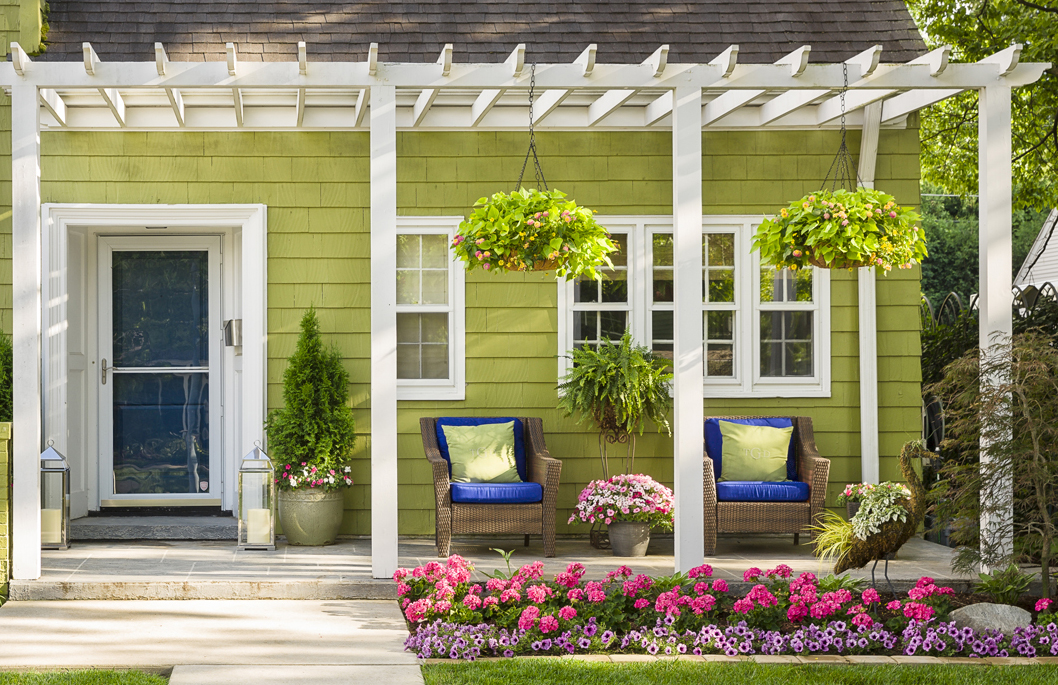


Learn more about container gardening:
- AquaPots Lite Self-Watering Containers and Inserts
- Five tips for choosing container companions
- Explore 1000+ container gardening recipes
- Look through our library of container gardening videos